

Aon Benfield’s catastrophe model development team, has developed a new catastrophe model for Iceland to estimate the financial impact of earthquakes. Iceland is the most earthquake prone region in Northwest Europe, with the peril accounting for 83% of catastrophe losses in the country over the last 20 years. Recent major loss history, estimated at present day values, includes M6.5 earthquakes in 2000 causing ISK7.8bn (EUR53.2m) of insured loss and a M6.3 earthquake in 2008 resulting in with ISK13.8 billion (EUR92.4m) of insured damage.
Developed in collaboration with the Iceland Catastrophe Insurance (ICI), the goal of the model is to bring the most-up-to-date view of the risk by incorporating the latest local scientific knowledge, understand the uncertainty in its loss estimates and create a customised model that reflects the uniqueness of its portfolio and loss history. Notably the damage curves in the model, which show the correlation between hazard intensity and loss, are based on detailed high quality loss observation data from the past two major events in Iceland.
The seismic source zones were developed in collaboration with Professor Pall Einarsson from the University of Iceland. These are based on the local geology and tectonics including a catalogue from the Icelandic Meteorological Office of recorded earthquakes back to 1926 and historical earthquakes back to 1700.
In addition, the model is implemented in ELEMENTS, Impact Forecasting’s catastrophe modelling platform, to estimate and visualise the potential earthquake losses and to quantify the uncertainty. The platform also offers the potential for multi-peril risk assessment.
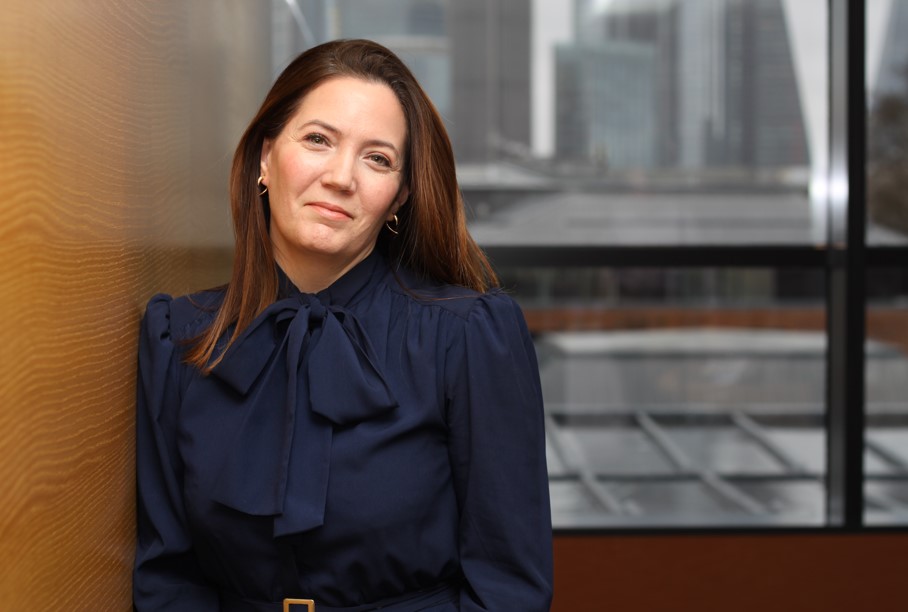
CEO of Iceland Catastrophe Insurance, Hulda Ragnheiður Árnadóttir, said the ICI has increasingly emphasised the importance of assessing insurance risk based on recent local scientific advancements. "The new model has enabled us to further grasp the extent of the risk in relation to our own portfolio, while delivering enhanced information to reinsurers for use at the 2017 renewal,” she added.
Printed Copy:
Would you also like to receive CIR Magazine in print?
Data Use:
We will also send you our free daily email newsletters and other relevant communications, which you can opt out of at any time. Thank you.





YOU MIGHT ALSO LIKE