

The interconnected challenges of global security partnerships, financial integration, supply chain resilience, and migration are now top of the agenda and will likely continue to stay there in the year ahead, according to a new S&P Global Market Intelligence report.
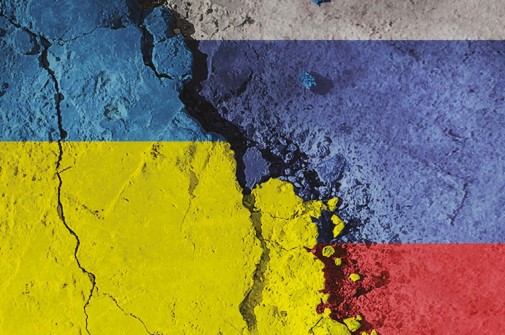
The new report – 2023 economics & country risk outlook – highlighted that entering 2022, the question on many minds was the pace of the pandemic recovery. Russia’s invasion of Ukraine earlier this year dashed hopes of a smooth recovery and, instead, has hastened a confrontation with a host of geopolitical risks and transformed Europe’s near-term security and economic picture.
It says that next year, central banks in major economies will remain focused on inflation, with the impact of interest rates adding further stress for consumers. Tightening financial conditions will lead to a further slowdown in global economic growth, putting expansions in vulnerable regions at risk and deepening anticipated recessions in Europe.
Dr Lindsay Newman, head of geopolitical thought leadership at S&P Global Market Intelligence, said: “Looking ahead to 2023, European energy security will remain a source of near-term risk, clouding the economic outlook. This dynamic reflects a broader trend we are watching of operational, political and security risks underpinning the economic landscape for 2023.”
The report adds that into next year, much depends on the severity of the European winter, on likely further sanctions, and on prospects for global measures being considered to cap the price of Russian oil. It says economic and energy security concerns will drive short-term mitigation strategies in Europe, increasing fiscal, social, and political challenges for governments – especially those facing scheduled elections in 2023 (including Poland, Finland, Estonia, and Greece).
Printed Copy:
Would you also like to receive CIR Magazine in print?
Data Use:
We will also send you our free daily email newsletters and other relevant communications, which you can opt out of at any time. Thank you.









YOU MIGHT ALSO LIKE