

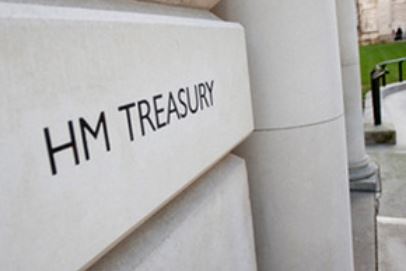
The UK insurance industry is set for increased costs on outsourcing as other EU countries force through the removal of the VAT exemption on outsourced claims handling. The UK’s HM Treasury is now preparing the industry for defeat on this concession in order to push forward a wider simplification of the insurance VAT rules. This will mean a 20% increase in many outsourcing costs.
The current rules on VAT for the insurance industry were drawn up in 1977. These broadly exempt insurance and intermediary/broking services from VAT – meaning insurers or their service companies do not charge VAT.
Many insurers are increasingly outsourcing claims handling, along with accounting and IT, to reduce back-office costs. As a result, a supply industry has grown which is divorced from the VAT-exempt insurance activity. Increasingly, this new sector has stretched the original scope of the exemption, and it has proved problematic to police.
The EU, which sets the European VAT rules, has spent a number of years consulting on a new VAT directive to more adequately reflect the modern industry.
“This is going to create a big increase in costs for many UK insurers who have worked hard to contain operating expenses through outsourcing. Whilst the Treasury is still seeking representations, it is likely that it will buckle to pressure from some of our EU partners – notably Germany - for gains elsewhere. Insurers need to rapidly review their outsourcing strategy, especially as the planned 2011 VAT increase to 20% will now magnify this cash flow threat further,” commented Richard Asquith, MD of TMF VAT & IPT Services.
Printed Copy:
Would you also like to receive CIR Magazine in print?
Data Use:
We will also send you our free daily email newsletters and other relevant communications, which you can opt out of at any time. Thank you.









YOU MIGHT ALSO LIKE