

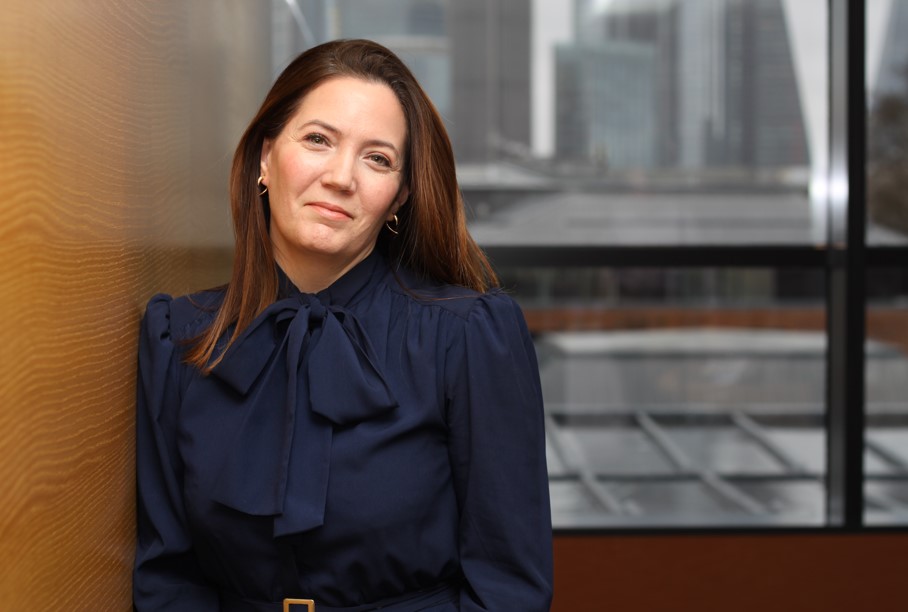
Ushering in the new year on a well-earned downer, British Bankers’ Association (BBA) chief Angela Knight's message examined the unsettling developments of the past 12 months, and looked ahead at yet more uncertainty – particularly in the eurozone.
“There remains a toxic mix of the crisis of confidence in the sovereign debt of some countries, in the economic policies of some countries and in the ability of some countries to be competitive and to afford what their people have come to expect,” she said. “How far the turmoil runs depends on whether the politicians implement their frequently announced proposals and whether the markets consider the actions believable,” she said.
“At one level all we can do is be as well prepared as we can,” she added, highlighting that the UK the banking industry had collectively done more to improve the stability of the banks than most of its international competitors. “We have regrouped and are rebuilding for the future, but that future also requires stability and confidence to be restored in the eurozone countries. The banking industry is determined to work to deserve the trust of our customers - we have an ongoing responsibility to our staff and the wider economy and we will play our part.”
“We all knew that banking reform - and with it the Vickers Commission - would be a major set piece, as would be how the industry could work to support the economy through our work with businesses. Today Vickers is still with us and its proposals will flow through 2012 in the form of government consultations and legislative and regulatory proposals. The consequences will be significant and complex, and will unfold across several years, and so only then will the true judgement on these reforms can be made.
“The banking system finances companies from the very small through to the many multinational companies that operate in this country. So changes made to the financial sector can have wider impacts than intended because banking underpins an economy. The banking system enables millions of people to use their credit and debit cards when they want. Cash machines are available 24 hours a day. The systems for direct debits and other payments all need to work in a way and manner that is simple and easy for the customer.”
Knight says day-to-day business should be a clear priority for the industry, in addition to the UK reform agenda to grip and European and internationally-driven changes.
“It was in the late 1990s that the responsibility for making much of the policy on how financial markets operate in all the countries in Europe was handed to the EU institutions. A single market for trade in goods and services was - and remains - a force for good and real economic benefit. Many directives and regulations have been passed, and continue to be created, to bring about and improve this single market: floating in the alphabet soup of the current agenda for financial services are CRD IV, MIFID III, MIFIR, EMIR and MAD,” she said. “However, as these EU-derived proposals move on through their procedures, there is often insufficient recognition that, for most European countries, cross-border business is between one EU country and another EU county. But the UK has centuries of tradition of trading around the world as well as with countries closer to home. So, for us, 'cross border' can mean links with neighbours anywhere in the world. That means we have a tricky and essential path to tread to define what should be for national responsibility, what for the EU and where it should be for global standard setters to make the decisions.”
Printed Copy:
Would you also like to receive CIR Magazine in print?
Data Use:
We will also send you our free daily email newsletters and other relevant communications, which you can opt out of at any time. Thank you.





YOU MIGHT ALSO LIKE